
Fußball News
6 Min. gelesenStaying ahead of the game in German football means having your finger on the pulse of every transfer rumor, tactical shift, and match-day drama. The Bundesliga landscape moves fast, and if you're not plugged into the right sources, you're already behind. That's where understanding the German football news ecosystem becomes your competitive advantage.
The German Football News Landscape: Where Information Flows
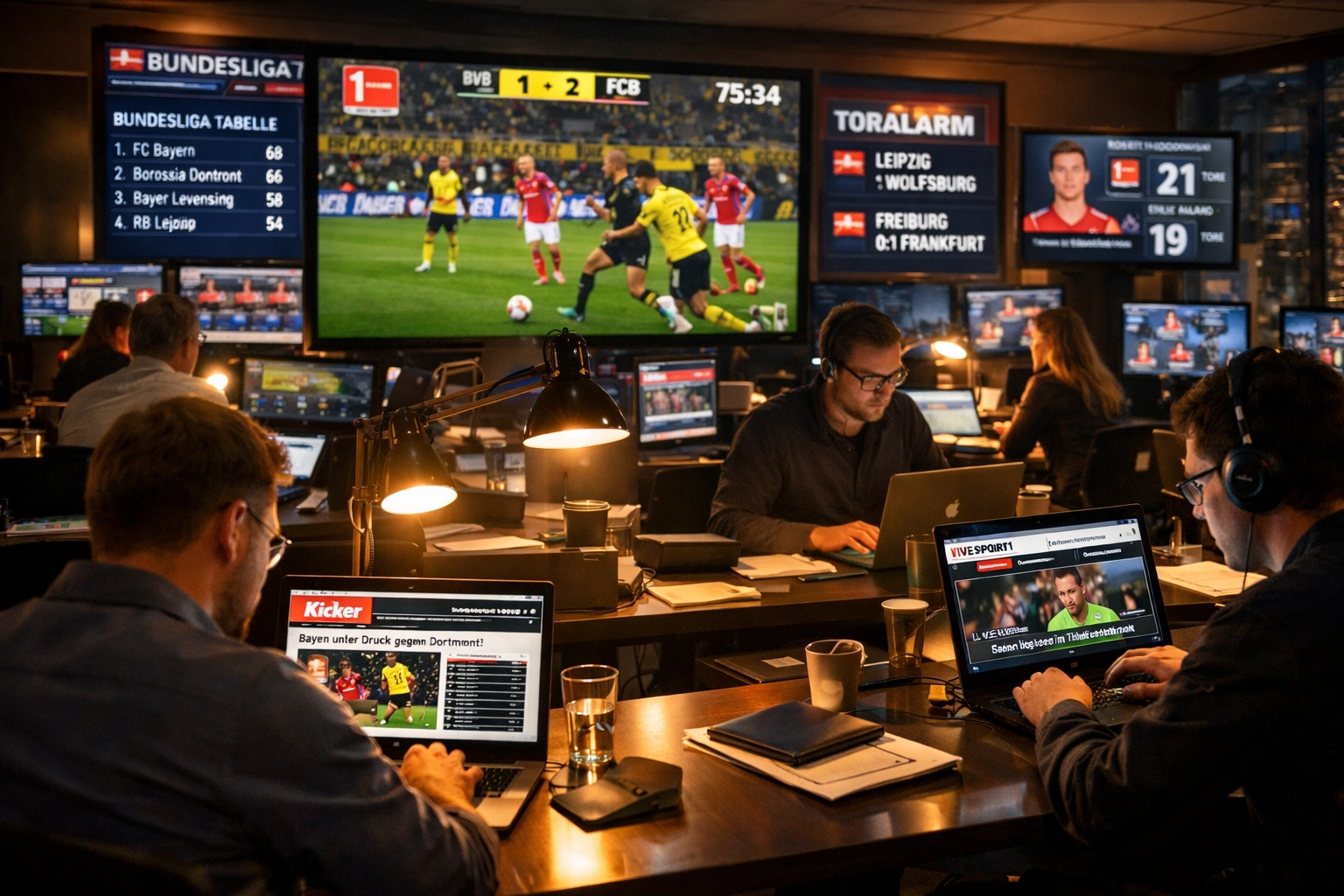
German football journalism operates on a different level than most leagues. The combination of passionate local reporting, insider access, and meticulous tactical analysis creates a news environment that's both comprehensive and intensely competitive. Sport1.de leads the charge with round-the-clock coverage spanning the Bundesliga, DFB-Pokal, and Germany's presence in European competitions. Their live-ticker functionality captures every significant moment as it unfolds, transforming raw action into digestible insights.
Sky Sport Deutschland brings broadcast muscle to digital journalism, leveraging their television partnerships to deliver exclusive interviews and behind-the-scenes content that print-only outlets simply cannot match. Their coverage extends beyond domestic competitions into the Champions League and Premier League, recognizing that German football fans follow their exported stars with the same intensity they track hometown heroes.
Transfer News: The Heartbeat of German Football Media
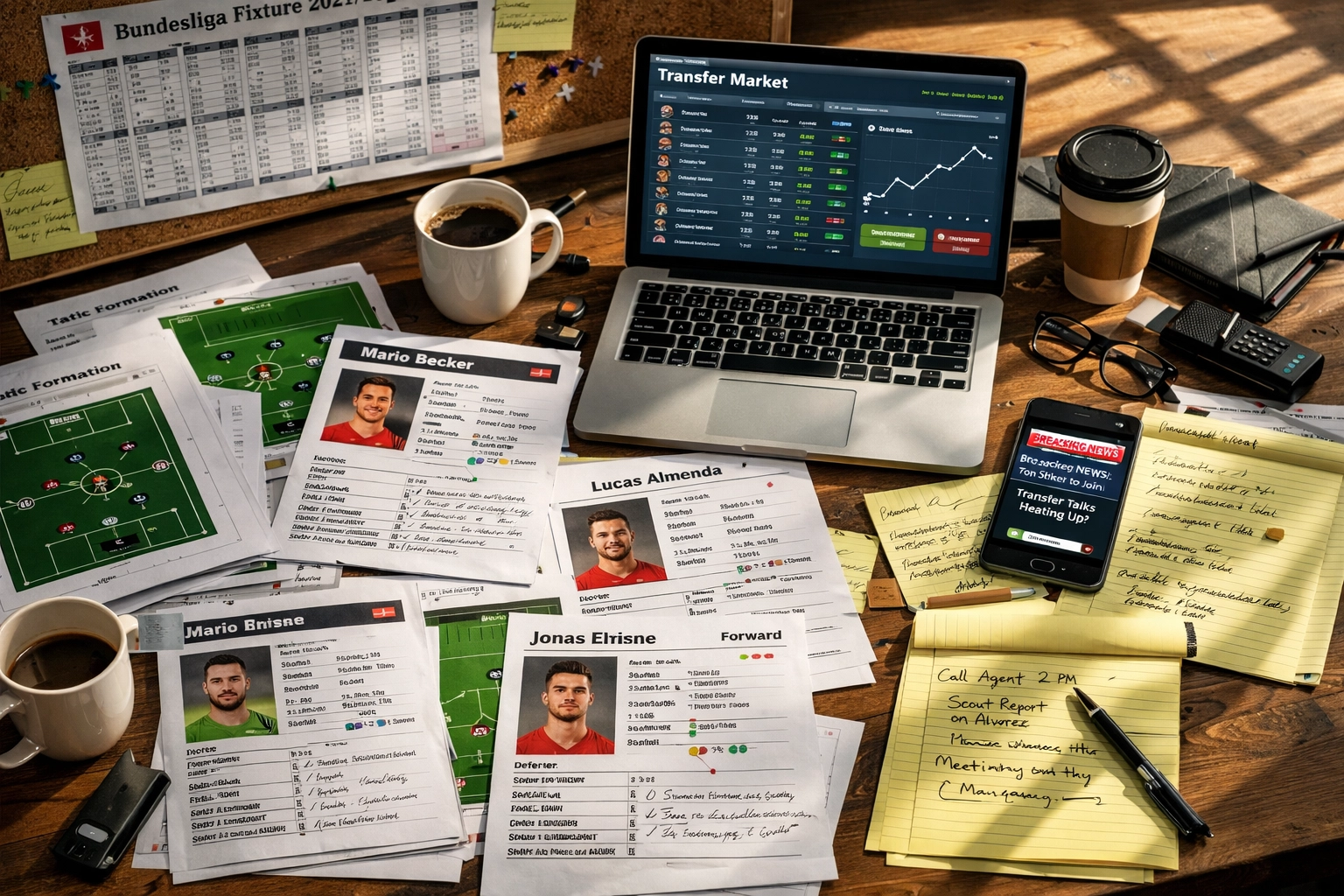
FussballTransfers has carved out a specialized niche in the German sports media landscape by focusing exclusively on player movement and contract negotiations. Transfer windows dominate conversation in German football circles, where clubs like Bayern München operate with ruthless efficiency while Borussia Dortmund has built an entire business model around player development and strategic sales.
The transfer rumor mill works differently in Germany compared to England or Spain. German sports journalists maintain closer relationships with club officials, leading to more accurate reporting but also more conservative speculation. When a credible German source reports a transfer link, it carries weight. The days of wild tabloid speculation are largely confined to imported British journalism: German outlets stake their reputations on verification.
Recent transfer activity highlights Bayern München's continued domestic dominance in the market, though clubs like RB Leipzig and Bayer Leverkusen have emerged as genuine competitors both on the pitch and in recruitment. The Bundesliga's famous 50+1 ownership rule creates unique financial dynamics that make transfer news particularly fascinating: clubs must balance ambition with sustainable financial management.
Tactical Evolution: Why German Football Analysis Runs Deeper
German football coverage doesn't just report what happened: it dissects why it happened and what it means for future matches. This analytical depth stems from Germany's coaching education system, which produces tactically literate professionals who enter media roles after their playing or coaching careers end. The result is match analysis that explores pressing triggers, positional rotations, and set-piece innovations with genuine expertise.
Sport.de aggregates this tactical intelligence alongside traditional match reports and live scores, creating a comprehensive platform for fans who want both immediate results and deeper understanding. Their coverage recognizes that modern football consumption demands multiple layers: some fans want quick score updates while others crave twenty-minute video breakdowns of defensive transitions.
The Bundesliga's reputation as a league that develops and showcases tactical innovation means German football news naturally emphasizes strategic elements. When Julian Nagelsmann experiments with a new formation or Xabi Alonso implements a pressing scheme at Leverkusen, German media provides the technical vocabulary and visual analysis to explain exactly what's happening and why it matters.
Match Day Coverage: From Pre-Game Build-Up to Post-Match Analysis
German football weekends follow a predictable but thrilling rhythm. Friday night Bundesliga fixtures kick off the weekend, followed by the Saturday afternoon conference: the sacred 15:30 kickoff time when multiple matches unfold simultaneously. Sunday features marquee matchups, while Monday night football occasionally closes out the round.
Quality football news platforms mirror this rhythm with structured coverage that anticipates fan needs throughout the match-day cycle. Pre-match content focuses on team news, injury updates, and tactical previews. Live coverage delivers minute-by-minute updates with the speed and accuracy that modern fans demand. Post-match analysis arrives quickly but thoughtfully, balancing immediate reaction with considered tactical assessment.

The DFB-Pokal (German Cup) adds another dimension to the coverage calendar. Giant-killings are genuine possibilities in German cup competition, where lower-league teams occasionally upset Bundesliga giants. News coverage of these matches carries extra narrative weight: these are the stories that transcend tactical analysis and tap into football's emotional core.
International Competition: German Clubs on the European Stage
Bayern München's Champions League campaigns dominate German football news cycles, but the media landscape has adapted to cover multiple German clubs competing in European competition. Borussia Dortmund's remarkable run to the Champions League final in 2024 demonstrated that German football's European presence extends beyond Munich dominance.
Coverage of European matches requires different expertise than domestic reporting. German clubs face varied tactical approaches from across the continent, and quality journalism explains how Bundesliga teams adapt their typically high-pressing, vertical-passing style to different opponents and competitive contexts. When RB Leipzig faces Manchester City or Eintracht Frankfurt meets Barcelona, German media provides the cultural and tactical translation that helps fans understand the chess match unfolding.
The German national team remains a constant presence in football news coverage, even between major tournaments. Debate around player selection, tactical philosophy, and the balance between Bayern München players and talent from other clubs generates consistent content and passionate discussion.
The Digital Transformation of Football Journalism
Traditional print media still carries influence in German football journalism, but digital platforms have fundamentally transformed how quickly information travels and how fans consume content. Social media allows players and clubs to bypass traditional media entirely, creating direct communication channels that sometimes generate news faster than journalists can report it.
This digital shift has forced established outlets to evolve. Video content, podcasts, and interactive graphics now complement traditional written reporting. German football fans expect multimedia experiences that bring them closer to the action than simple text ever could. Live-streaming press conferences, behind-the-scenes training footage, and player-hosted social content have become standard offerings from comprehensive sports media platforms.
The challenge for news outlets is maintaining journalistic credibility while adapting to social media speed and audience expectations. Clubs and players use their platforms strategically, often timing announcements for maximum impact and controlling their own narratives. Quality journalism adds context, verification, and critical analysis that raw social media content cannot provide.
Data Analytics: The Numbers Behind the Beautiful Game
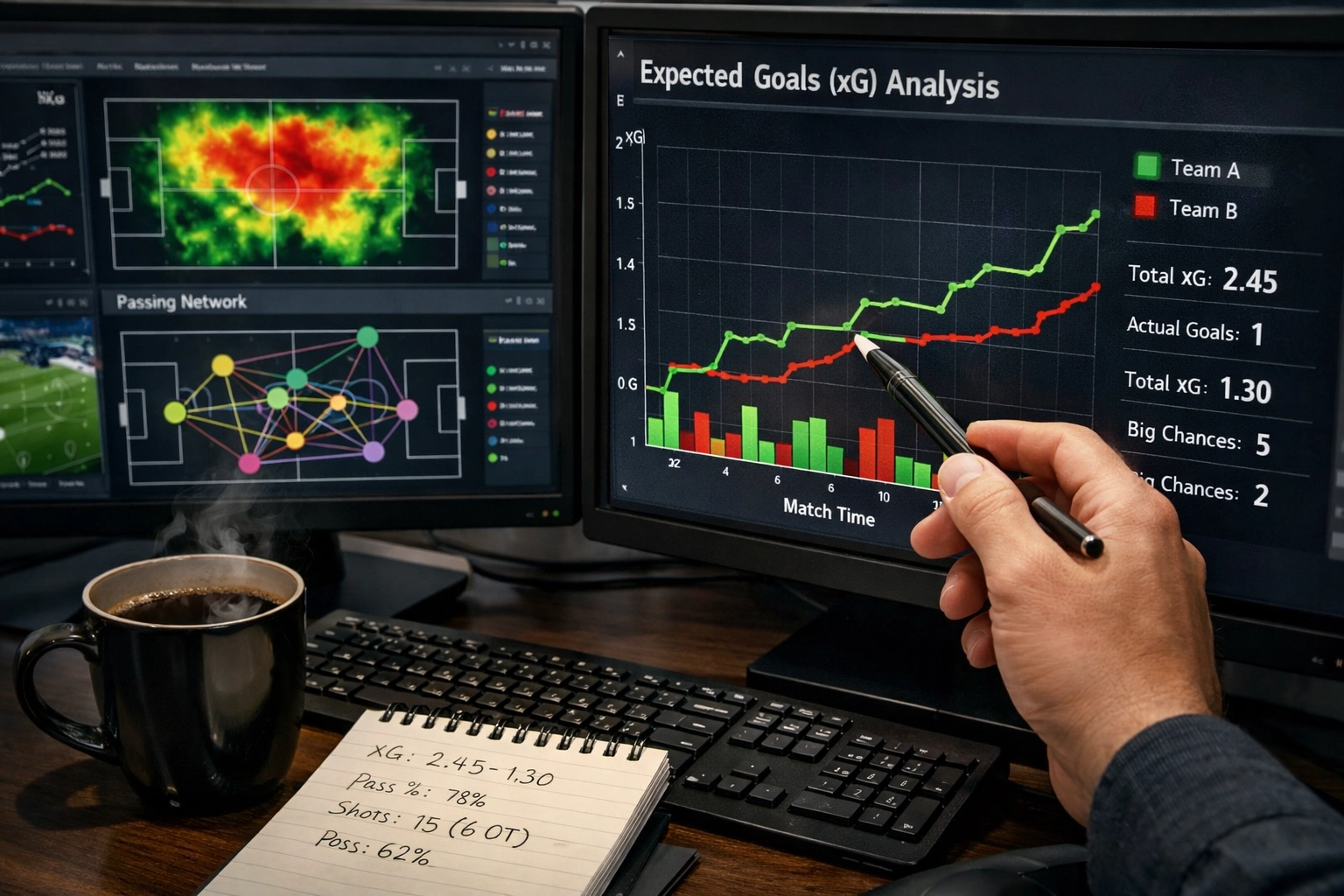
Modern German football coverage increasingly incorporates advanced statistics and data visualization. Expected goals (xG), pressing metrics, passing networks, and dozens of other analytical tools have migrated from coaching departments into mainstream journalism. Fans who once debated matches based purely on observation now reference statistical models to support their arguments.
This data-driven approach aligns perfectly with German football culture, which has long emphasized systematic preparation and measurable improvement. When Bayer Leverkusen went unbeaten through the 2023-24 season, data analytics helped explain how Xabi Alonso's tactical system generated such consistent results. Traditional storytelling combined with statistical evidence creates more complete and compelling narratives.
Sports betting has accelerated this trend toward data transparency. Fans researching wagers want statistical information that informs their decisions, creating demand for detailed performance metrics and predictive modeling. Quality sports news platforms now serve dual audiences: traditional fans seeking entertainment and analysis, plus bettors looking for actionable intelligence.
The Future of German Football News
The German football news landscape will continue evolving as technology, fan expectations, and commercial pressures reshape the media industry. Artificial intelligence and machine learning will automate routine reporting while freeing journalists to focus on investigation, analysis, and storytelling that requires human judgment and expertise.
Personalization will allow fans to curate their own news experiences, following specific clubs, players, or tactical themes that interest them most. The challenge for platforms is maintaining breadth of coverage while delivering the customized experiences that individual fans increasingly expect.
What won't change is the fundamental human appeal of football: the drama, passion, and unpredictability that makes millions of people care deeply about what happens on a grass rectangle every weekend. Quality journalism will always find an audience by capturing that essence and explaining it with insight, context, and genuine love for the sport.
German football news exists at the intersection of tradition and innovation, where tactical sophistication meets passionate fandom. Whether you're tracking transfer rumors, analyzing tactical trends, or simply staying updated on match results, understanding the media landscape helps you navigate the constant flow of information and find the insights that matter most.