
How sports betting companies can use performance marketing
6 Min. LesezeitThe sports betting industry has never been more competitive. With dozens of operators fighting for the same customers, traditional marketing approaches just don't cut it anymore. You're pouring budget into campaigns without knowing which channels actually drive signups, which ads convert browsers into bettors, or how much each customer acquisition really costs.
Performance marketing flips that script entirely. Instead of buying impressions and hoping for the best, you're paying for actual results: clicks, signups, deposits, and active users. Every euro spent is trackable, every campaign is measurable, and every decision is backed by real data. For sports betting operators, this shift from brand awareness to direct response isn't just smart: it's survival.
What makes performance marketing different for sports betting
Performance marketing operates on one simple principle: pay for outcomes, not promises. In the sports betting vertical, this means focusing your budget on tactics that deliver measurable user actions: account registrations, first deposits, repeat bets, and long-term player value.

Unlike traditional marketing where you're buying billboard space or TV spots and crossing your fingers, performance marketing ties every campaign element directly to revenue. You're tracking the full funnel: which keyword triggered the search, which landing page they hit, what bonus offer sealed the deal, and how much they've bet in their first 30 days.
The sports betting industry is particularly well-suited to this approach because user behavior is highly trackable. When someone clicks your ad at 7pm on a Saturday before a major football match, deposits €50, and places three bets within an hour, you're not guessing about intent: you're measuring it in real time.
Real-time bidding: precision targeting at scale
Real-Time Bidding (RTB) has become the backbone of performance marketing for sports betting operators. This programmatic advertising approach lets you bid for ad inventory in milliseconds, targeting users based on hundreds of data points: demographics, browsing history, device type, location, time of day, and even the specific sporting events they've shown interest in.
Here's why RTB delivers for sportsbooks: you're only bidding on impressions that match your ideal customer profile. If your data shows that iOS users aged 25-34 who've visited football statistics sites convert at 3x the rate of general traffic, your RTB platform will automatically bid higher for those exact users while ignoring less valuable segments.
The real power comes from optimization. Your RTB campaigns adjust bid strategies in real time based on performance data. If Friday evening traffic converts better than Tuesday mornings, your system allocates more budget to those high-value windows automatically. If users from specific postal codes show higher lifetime value, you're paying premium rates to reach them while reducing spend on lower-performing areas.
Analytics: turning data into strategic advantages
Performance marketing in sports betting lives and dies on analytics. The difference between operators who scale profitably and those who burn through budgets comes down to how well they measure, interpret, and act on campaign data.

Start with your core KPIs: click-through rates tell you if your ad creative resonates with your target audience. Conversion rates reveal whether your landing pages and bonus offers are compelling enough to drive signups. Cost per acquisition shows exactly how much you're spending to bring in each new customer. But the metric that really matters is Customer Lifetime Value (CLV): because acquiring a user who bets €20 once is very different from acquiring one who deposits €500 monthly for two years.
Tools like Google Analytics, HubSpot, and specialized betting analytics platforms let you track these metrics across every channel: paid search, display ads, social media, email, and affiliate partnerships. You're not just collecting numbers; you're identifying patterns. Which bonus structures attract high-value players? Which traffic sources bring users who churn within a week? Which landing page variations lift conversion rates by 15%?
This data feeds directly into optimization. If your analysis shows that users who claim your "100% deposit match up to €100" convert at half the rate of those who take "€20 free bet, no deposit required," you've just discovered a major insight. Test it further, refine the messaging, and scale what works.
Data-driven personalization that converts
Generic marketing doesn't work in sports betting. A casual bettor who places €5 accumulators on weekend football has completely different needs than a high-roller who trades live tennis matches for four-figure stakes. Performance marketing succeeds by treating these as separate audiences with tailored experiences.
Personalization starts the moment a user lands on your platform. First-time visitors from organic search might see an educational landing page explaining your betting markets with a low-risk welcome offer. Returning visitors who abandoned registration see retargeting ads with simplified signup processes. Existing customers receive email campaigns featuring events they've bet on previously, complete with personalized odds boosts on their favorite teams.
The mechanics behind this rely on sophisticated data segmentation. You're tracking user behavior: which sports they browse, how often they visit, what time they're most active, their average stake size, and their preferred bet types. This behavioral data gets combined with demographic information to create micro-segments, each receiving messaging specifically designed to drive their next action.
The results speak for themselves. Personalized welcome bonuses increase signup conversion by 25-40% compared to generic offers. Customized email campaigns based on betting history drive 3x higher engagement than batch-and-blast approaches. Push notifications about live matches in leagues users actually follow generate click-through rates 5x above random event promotions.
Email marketing: automation that drives repeat betting
Email remains one of the highest-ROI channels for sports betting operators, but only when it's executed with precision. The days of sending the same weekly newsletter to your entire database are over. Performance marketing demands segmentation, automation, and relentless testing.
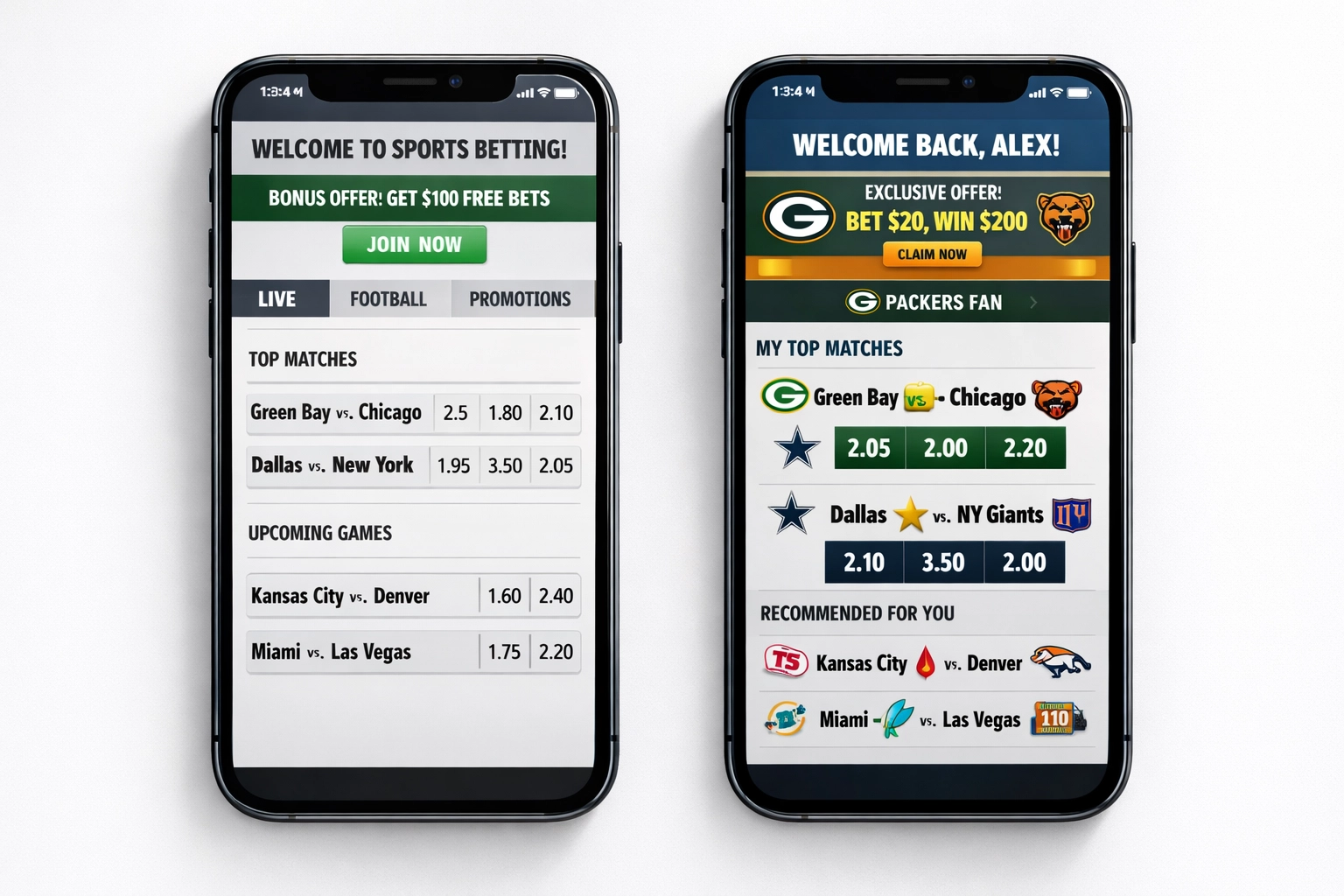
Start by segmenting your database into meaningful cohorts. New signups who haven't made their first deposit receive a different sequence than active bettors who haven't logged in for three weeks. Users who primarily bet on football shouldn't receive tennis promotions. High-value customers deserve exclusive VIP offers, while casual players respond better to entertainment-focused messaging.
Automation enables this at scale. When a user registers, they automatically enter a welcome sequence: immediate email confirming their account, followed by a deposit incentive 24 hours later, then educational content about your platform's features on day three. When someone places their first bet, they receive congratulations plus information about your mobile app. When a user goes dormant, a re-engagement sequence kicks in with progressively stronger offers.
The performance metrics you track here include open rates, click-through rates, conversion to deposit, and revenue per email. But the most valuable metric is behavioral: are your emails driving users back to your platform at the moments when betting action peaks? If your "Big Match Alert" email for Champions League fixtures generates 40% of recipients placing bets within two hours, you've found a winning formula.
PPC campaigns powered by clean data
Pay-per-click advertising is the most direct performance marketing channel: you're literally paying for each user action. But PPC success in sports betting depends entirely on data quality. Fraudulent traffic from bots, click farms, and competitors can destroy your campaign economics before you realize what's happening.
Clean data means knowing every click is from a real person with genuine betting intent. This requires aggressive fraud detection: identifying and blocking suspicious IP addresses, filtering out bot traffic patterns, and excluding devices associated with click fraud. When your data is clean, everything else becomes clear.
With reliable data, you can optimize PPC campaigns with confidence. You're adjusting bids based on actual conversion patterns, not phantom clicks. You're excluding keywords that attract tire-kickers while increasing spend on terms that bring serious bettors. You're testing new ad formats: responsive search ads, video campaigns, display remarketing: knowing the results accurately reflect user response.
The technical execution matters enormously. Your ad copy needs to match search intent precisely while complying with gambling advertising regulations. Your landing pages must load instantly and present the exact offer promised in the ad. Your conversion tracking needs to follow users through to deposit and first bet, not just to the homepage. Every element in this chain affects your cost per acquisition.
The competitive advantage of performance marketing
Sports betting operators who master performance marketing gain three strategic advantages. First, they achieve superior capital efficiency: acquiring customers at lower costs than competitors who rely on brand marketing. Second, they scale faster: when you know exactly which channels deliver which results, you can confidently increase spend on winners. Third, they adapt quicker: real-time data lets you respond to market changes, major sporting events, and competitive moves within hours, not weeks.
The operators dominating today's market aren't the ones with the biggest brand budgets. They're the ones who treat every marketing euro as an investment requiring measurable returns, who test relentlessly, who let data drive decisions, and who optimize continuously. Performance marketing isn't just a tactic; it's the operating system for modern sports betting businesses.