Hamburger SV vs. FC Bayern Munich: The Return of the North–South Clash in the Bundesliga?
6 Min. Lesezeit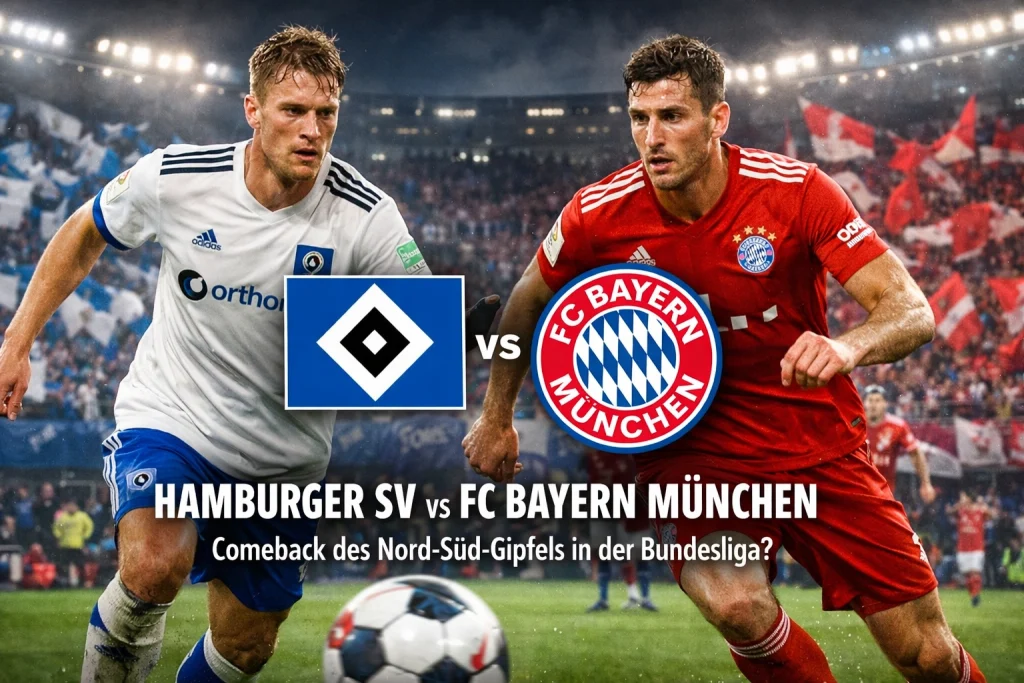
The Volksparkstadion hadn't seen drama like this in years. On January 31, 2026, 57,000 fans packed into Hamburg's fortress to witness something special, the return of one of German football's most storied rivalries. Hamburger SV versus FC Bayern München. The North versus the South. Tradition versus dominance. And the match delivered everything promised and more: a pulsating 2:2 draw that had everyone on their feet until the final whistle.
This wasn't just another Bundesliga fixture. This was the comeback of a classic, a rivalry that had been dormant during Hamburg's years in the second division. Now, with HSV back in the top flight, the Nord-Süd-Gipfel has reclaimed its place on the football calendar, and what a return it was.
The Match That Had Everything
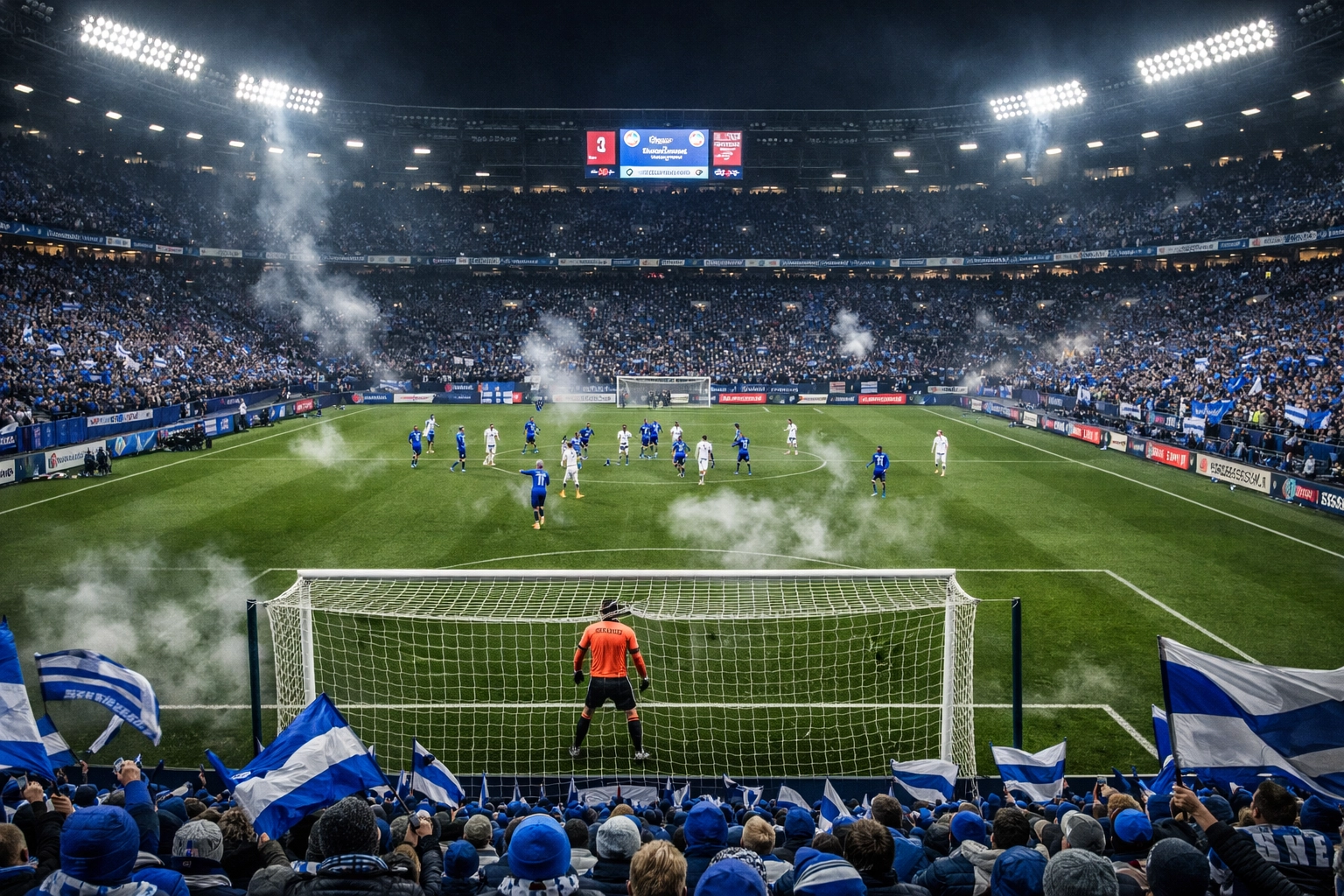
From the opening whistle in freezing conditions, Hamburg came out swinging. They weren't here to make up the numbers or play the role of sacrificial lamb to Bayern's title charge. The home side pressed high, fought for every ball, and showed the kind of intensity that used to define this fixture back when both clubs regularly battled at the top of the table.
The breakthrough came in the 34th minute when Fábio Vieira stepped up to convert a penalty, sending the Volksparkstadion into absolute pandemonium. Hamburg led Bayern München. The underdogs were ahead. For eight glorious minutes, the impossible seemed possible.
But this is Bayern München we're talking about. Harry Kane, Bayern's lethal English striker, equalized just before halftime in the 42nd minute, reminding everyone why the Bavarians have dominated German football for over a decade. The teams went into the break level, but the second half would prove even more dramatic.
Second Half Fireworks
Whatever Vincent Kompany said in the Bayern dressing room at halftime, it included bringing on Luis Díaz. The substitution paid immediate dividends, literally 43 seconds after the restart. Díaz struck to give Bayern the lead, and suddenly the natural order seemed restored. Bayern were ahead. Hamburg's fairytale looked like it might end in familiar disappointment.

But Hamburg refused to fold. In the 53rd minute, Luka Vuskovic rose highest to meet a cross and powered a header past the Bayern goalkeeper. 2:2. The Volksparkstadion erupted again. Hamburg had fought back twice, matching one of Europe's elite clubs blow for blow.
The final half-hour was end-to-end football at its finest. Both teams pushed for a winner. Bayern's Michael Olise came agonizingly close in the 87th minute, but Hamburg's defense held firm. When the final whistle blew, the result felt like more than a draw, it felt like a statement.
Context: Bayern's Stumbling Start to 2026
This draw takes on extra significance when you consider Bayern's recent form. Just a week earlier, they'd suffered their first league defeat of the season, a shocking 1:2 loss to FC Augsburg. That result had already raised questions about Bayern's invincibility this season. Now, dropping two more points in Hamburg, those questions grew louder.
Bayern remain comfortably atop the Bundesliga table with 51 points from 20 matches, a commanding position by any measure. But this draw represented their second consecutive match without a win, and the timing couldn't be worse. The Bavarians had just completed a brutal January schedule: seven competitive matches crammed into 20 days. The fatigue showed.
For context, Bayern's dominance this season had been near-total until these recent stumbles. Fifty-one points from twenty matches is title-winning form. But in the Bundesliga, where margins can be razor-thin at the top, even a brief wobble opens the door for challengers. Teams like Bayer Leverkusen will have watched this match with keen interest.
Hamburg's Statement: We Belong Here

For Hamburger SV, this result means something different entirely. This wasn't about challenging for the title or maintaining a winning streak. This was about proving they belong in the Bundesliga, that their promotion wasn't a fluke, and that they can go toe-to-toe with Germany's elite.
Mission accomplished.
Hamburg didn't just survive against Bayern, they competed. They took the lead twice. They came from behind to equalize. They created chances, defended with determination, and showed the kind of character that defines great teams. In the cold February conditions at the Volksparkstadion, they proved that the Nord-Süd-Gipfel isn't just a nostalgic fixture, it's a genuine contest again.
The tactical approach from Hamburg's coaching staff deserves credit. They didn't sit back and try to defend for 90 minutes. They pressed Bayern high, forced them into mistakes, and created genuine goal-scoring opportunities. The penalty that led to Vieira's opener came from sustained pressure. Vuskovic's equalizer was a reward for continued attacking ambition even when trailing.
What This Means for the Rivalry's Future
The return of this fixture to the Bundesliga calendar is significant for German football. The Nord-Süd-Gipfel between Hamburg and Bayern carries historical weight that few other fixtures can match. Hamburg, the only club to have played every season in the Bundesliga until their relegation, represented northern pride. Bayern, the southern powerhouse, represented efficiency and success.
When Hamburg dropped to the second division, something was lost. Yes, Bayern had other rivals: Dortmund most notably: but the Hamburg match always felt different. It was about more than three points. It was about regional pride, about history, about two very different football philosophies clashing.
Now that Hamburg is back, this fixture can reclaim its special status. And if the January 31st match is any indication, future meetings will be must-watch events. Hamburg showed they won't be pushovers. They have quality, ambition, and the home support to trouble any team in Germany.
Betting Perspectives and Form Analysis
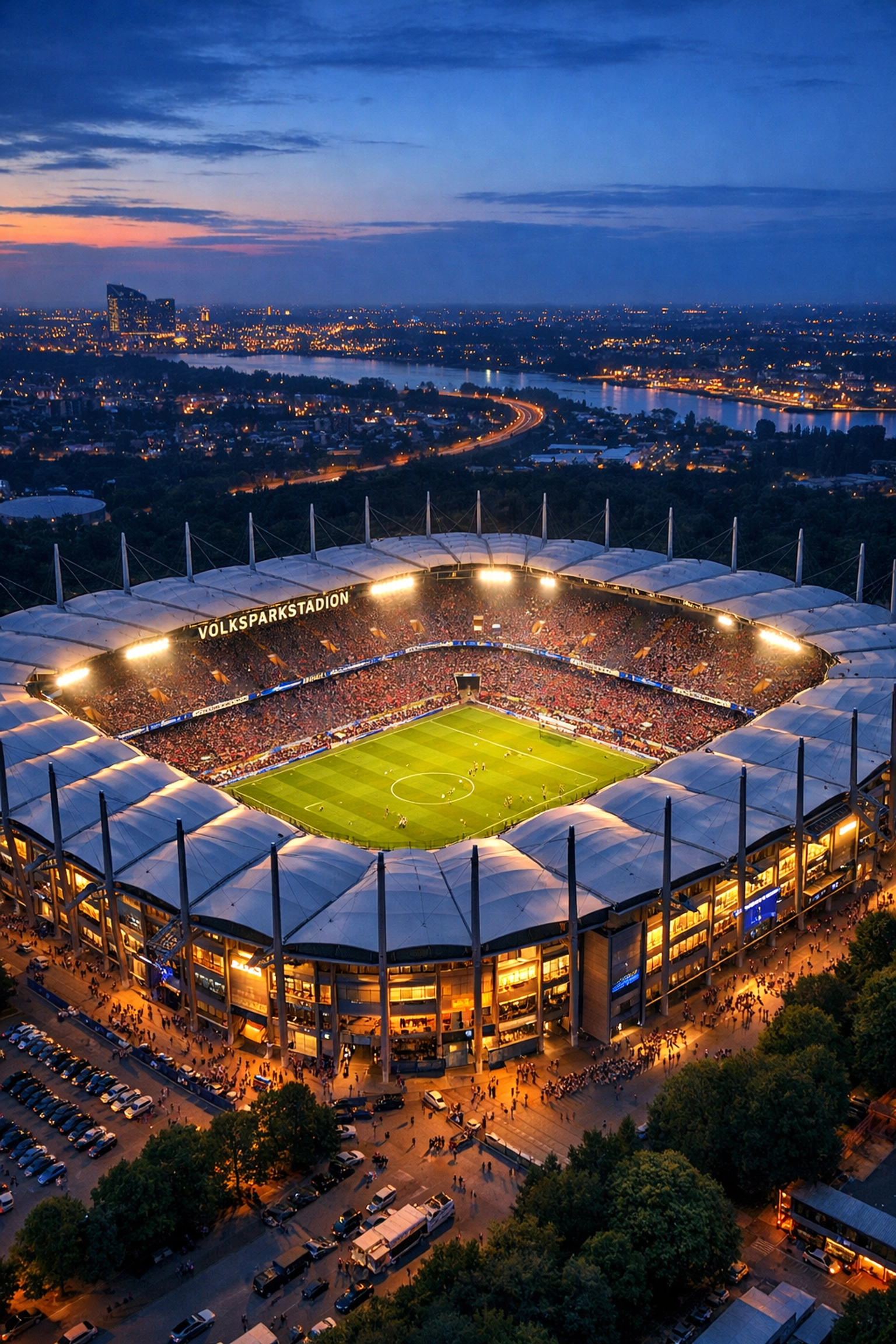
From a betting standpoint, this match offered several interesting insights. Bayern came in as heavy favorites, naturally, given their league position and overall squad quality. But the odds perhaps didn't fully account for several factors:
Hamburg's home form and the intensity of the Volksparkstadion atmosphere proved crucial. The 57,000 fans created an environment that lifted the home side and may have contributed to Bayern's second consecutive below-par performance.
Bayern's fixture congestion was another key factor. Seven matches in 20 days would test any squad's depth and stamina. Sharp bettors who recognized Bayern's potential fatigue might have seen value in Hamburg getting a result.
The match statistics also revealed interesting patterns. Both teams scored two goals, but the flow of the game: with leads changing hands multiple times: suggested an open, attacking contest rather than a cagey affair. Over 2.5 goals would have been a winning bet, as would both teams to score.
For future fixtures, this result establishes Hamburg as a team capable of competing with Germany's best, especially at home. It also raises questions about Bayern's ability to maintain their intensity across multiple competitions and a congested fixture schedule.
Looking Ahead
Bayern München will dust themselves off and likely return to winning ways soon. With a 51-point cushion atop the table and world-class talent throughout their squad, this draw is a minor setback, not a crisis. But it does suggest vulnerability, especially when facing motivated opponents in hostile atmospheres late in a packed schedule.
For Hamburg, this result is rocket fuel. They've proven they can compete at the highest level. As the season progresses and they face relegation battles or push for a European spot, they can look back on this match as evidence of their quality.
And for German football fans? The Nord-Süd-Gipfel is back. This rivalry has life again. Based on what we witnessed on that cold February day in Hamburg, future meetings promise drama, quality, and genuine competition. The comeback is complete, and it's worth celebrating.
The 2:2 draw wasn't just a point shared: it was a statement made, a rivalry renewed, and a reminder that in football, history and passion can still challenge even the most dominant forces.