Fußball News (Vormittag)
5 Min. gelesenThe football world never sleeps, and this morning brings a fresh wave of storylines that matter: both on the pitch and in the political arena. From coaching debuts that could reshape a club's trajectory to diplomatic debates about the world's biggest tournament, today's news cycle offers plenty for fans and bettors alike to digest.
Riera Takes the Reins: Frankfurt's New Era Begins Tonight
Albert Riera steps into the spotlight tonight as Eintracht Frankfurt's new head coach, and the pressure is already mounting. His debut comes at the Alte Försterei against Union Berlin: a venue that's become notorious for making visiting managers sweat under the floodlights. Frankfurt arrives in the capital limping through an eight-game winless streak across all competitions, a run that ultimately cost his predecessor the job.
The Catalan coach inherits a squad that's forgotten how to close out matches. Frankfurt's recent form reads like a cautionary tale: promising starts followed by defensive collapses, individual errors at crucial moments, and a midfield that's struggled to control tempo. The 20:30 kickoff gives Riera just hours to implement his philosophy: though realistically, this match will be more about psychology than tactics.
What to Watch For:
Union Berlin represents the perfect storm of challenges. They're organized, disciplined, and thrive on turning their home ground into a fortress. Frankfurt will need to rediscover their defensive shape while somehow maintaining the attacking threat that once made them dangerous in European competition. Riera's reputation as a tactically flexible coach suggests we might see a more conservative approach tonight: pragmatism over revolution.
For bettors, this match screams unpredictability. New manager bounces are real, but so is Union's home advantage. The smart money might be on a low-scoring affair as Riera prioritizes not losing over chasing an immediate statement win.
Baerbock Draws a Line: Why the 2026 World Cup Won't Be Boycotted
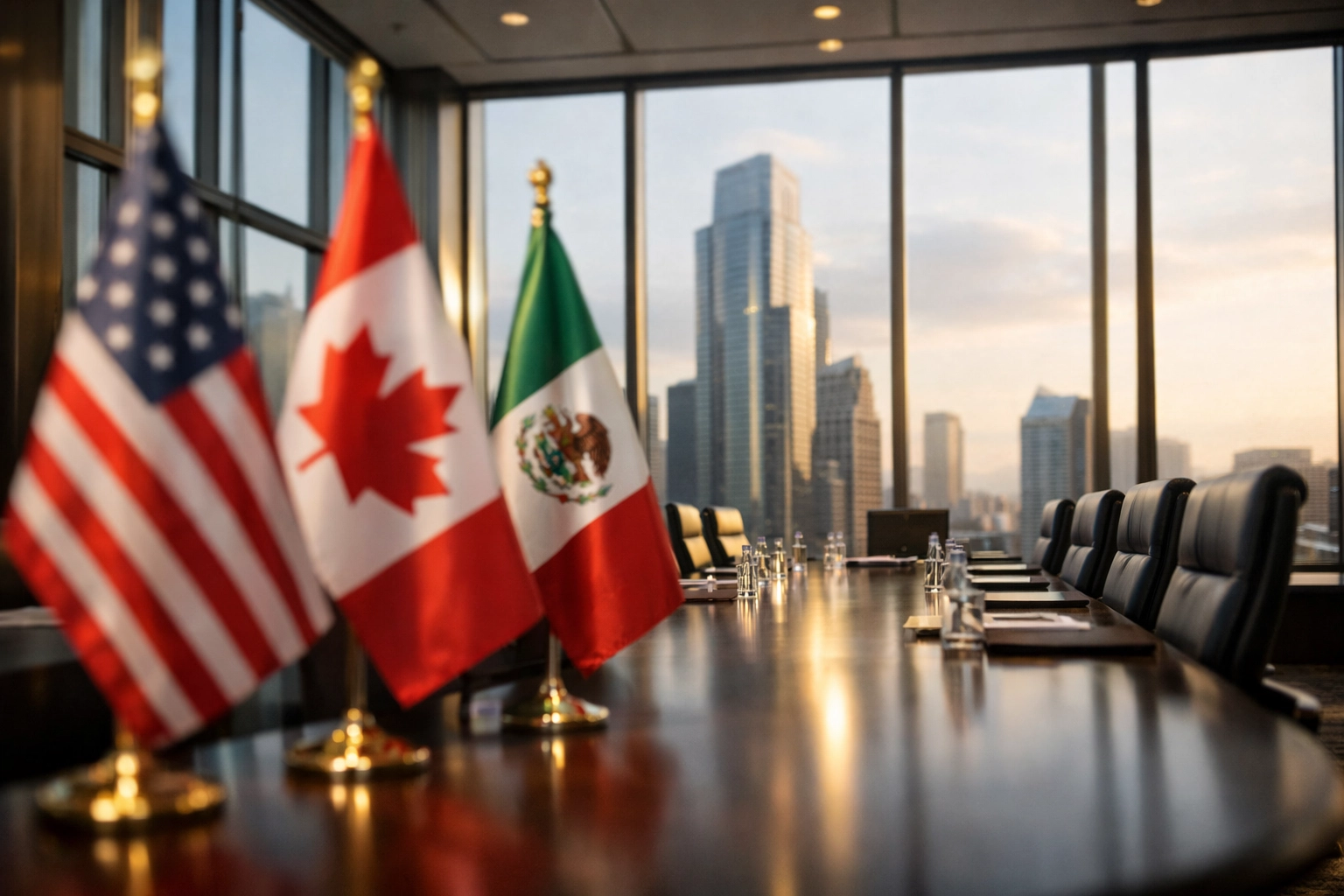
Politics and football collided again this morning when Annalena Baerbock, Germany's former Foreign Minister and current President of the UN General Assembly, categorically rejected calls for a World Cup boycott. The 2026 tournament: set to be hosted across the United States, Canada, and Mexico: has become a diplomatic flashpoint as some activist groups pressure nations to withdraw in protest of various American policies.
Baerbock's position is nuanced and deliberate. She argues that boycotting wouldn't just punish the United States; it would unfairly impact Canada and Mexico, two co-hosts who've committed resources and infrastructure to making the tournament successful. But her reasoning goes deeper than geopolitics.
The Athlete Argument:
"Political debates shouldn't be fought on the backs of athletes who've dedicated years to reaching a World Cup," Baerbock stated. It's a position that acknowledges the human cost of symbolic gestures. For most national team players, a World Cup represents the pinnacle of their careers: a once-in-a-lifetime opportunity that comes after years of sacrifice, training, and competition.
This isn't the first time Germany has grappled with these questions. The debate echoes similar conversations around the 2022 Qatar World Cup, where Germany ultimately participated but used their platform to protest human rights issues. Baerbock's approach suggests a continuation of that strategy: engagement over isolation, using participation as leverage for advocacy.
For the betting community, this news removes a significant source of uncertainty. With Germany's participation now all but guaranteed, futures markets for the 2026 tournament can stabilize. Die Mannschaft will be among the favorites, and bettors can now plan their long-term strategies without the specter of a politically motivated withdrawal.
Infantino Under Fire: The Russia Question Resurfaces
Baerbock didn't stop at addressing the boycott question. She took direct aim at FIFA President Gianni Infantino for his recent suggestions that Russia should be welcomed back to international football competitions. Her response was sharp and unambiguous: "To my knowledge, the Russian war of aggression hasn't ended yet."
The timing of Infantino's trial balloon is politically tone-deaf at best. While FIFA suspended Russian national teams and clubs following the invasion of Ukraine, there have been persistent rumors that leadership is exploring pathways to reinstatement. Infantino has framed this as a question of sports transcending politics: a familiar FIFA talking point that conveniently ignores how the organization profits from hosting tournaments in authoritarian states.
The Bigger Picture:
Football governance has always operated in morally gray territory, but the Russia situation presents unique challenges. Ukrainian football infrastructure has been devastated by the ongoing conflict. Players have been killed, stadiums destroyed, and entire youth development systems disrupted. The notion that Russia could return to competition while continuing its invasion strikes many as obscene.
For European football, this debate has practical implications. UEFA has maintained its ban on Russian clubs and national teams, creating alignment with broader Western sanctions. Any FIFA move to readmit Russia would create immediate jurisdictional tensions: could Russia compete in World Cup qualifiers while remaining banned from European competitions? The logistics alone are nightmarish.
Baerbock's public criticism signals that Germany: one of football's most influential nations: won't support rushed reconciliation. That political positioning matters in FIFA's decision-making calculus, where powerful federations hold disproportionate sway.
What This Morning's News Means for the Season Ahead
These three storylines might seem disconnected at first glance, but they're all part of football's complex ecosystem where sporting outcomes intersect with governance, politics, and cultural debates.
Riera's appointment at Frankfurt represents the eternal optimism of football management: the belief that the right voice in the dressing room can transform struggling teams into contenders. His success or failure over the coming weeks will determine whether Frankfurt salvages their season or slips further into mid-table mediocrity.
The World Cup discussion reminds us that major tournaments carry weight beyond 90-minute matches. They're diplomatic events, economic drivers, and cultural moments that force societies to confront uncomfortable questions about values and compromise. Germany's decision to participate while maintaining critical engagement sets a precedent for how democratic nations navigate these tensions.
And the Russia controversy underscores football's ongoing struggle with its own identity. Is the sport truly above politics, or is that rhetoric just cover for financial opportunism? Baerbock's willingness to publicly challenge FIFA suggests growing impatience with the organization's historical tendency to prioritize profit over principle.
Looking Forward
Tonight's Frankfurt match offers immediate drama: a new coach, a desperate team, and three points that could shift momentum. But the broader narratives playing out in boardrooms and diplomatic circles will shape football's landscape for years to come.
Whether you're placing bets on Riera's debut or simply following the sport you love, understanding these intersecting storylines provides crucial context. Football has never existed in a vacuum, and this morning's news proves that the game's most important decisions happen far from the pitch.
The 2026 World Cup will proceed with Germany's participation, Russia remains frozen out of international competition, and Eintracht Frankfurt will either begin their revival or extend their misery. That's football in February 2026: complex, contradictory, and utterly compelling.