
Arsenal vs. Brighton: High Tension in the EFL Cup – Tactical Analysis and Prediction
5 Min. Lesezeit
Arsenal vs. Brighton: High Tension in the EFL Cup – Tactical Analysis and Prediction
The EFL Cup fourth round clash between Arsenal and Brighton delivered exactly what football fans expected: tactical chess, youthful exuberance, and clinical finishing. Arsenal's 2-0 victory wasn't just another cup progression: it was a statement about squad depth, tactical flexibility, and the club's commitment to developing young talent while maintaining competitive standards.
The Tactical Setup: Arteta's Calculated Rotation
Mikel Arteta approached this fixture with a clear philosophy: rotate without compromising quality. Arsenal lined up with a blend of experience and youth that would test Brighton's defensive organization while giving promising academy products valuable minutes against Premier League opposition.
The inclusion of Hale End graduates Max Dowman and Andre Harriman-Annous marked significant milestones for both players. Their first-team debuts weren't ceremonial late substitutions: Arteta integrated them into meaningful game time, demonstrating trust in the academy system that has produced talent for decades.
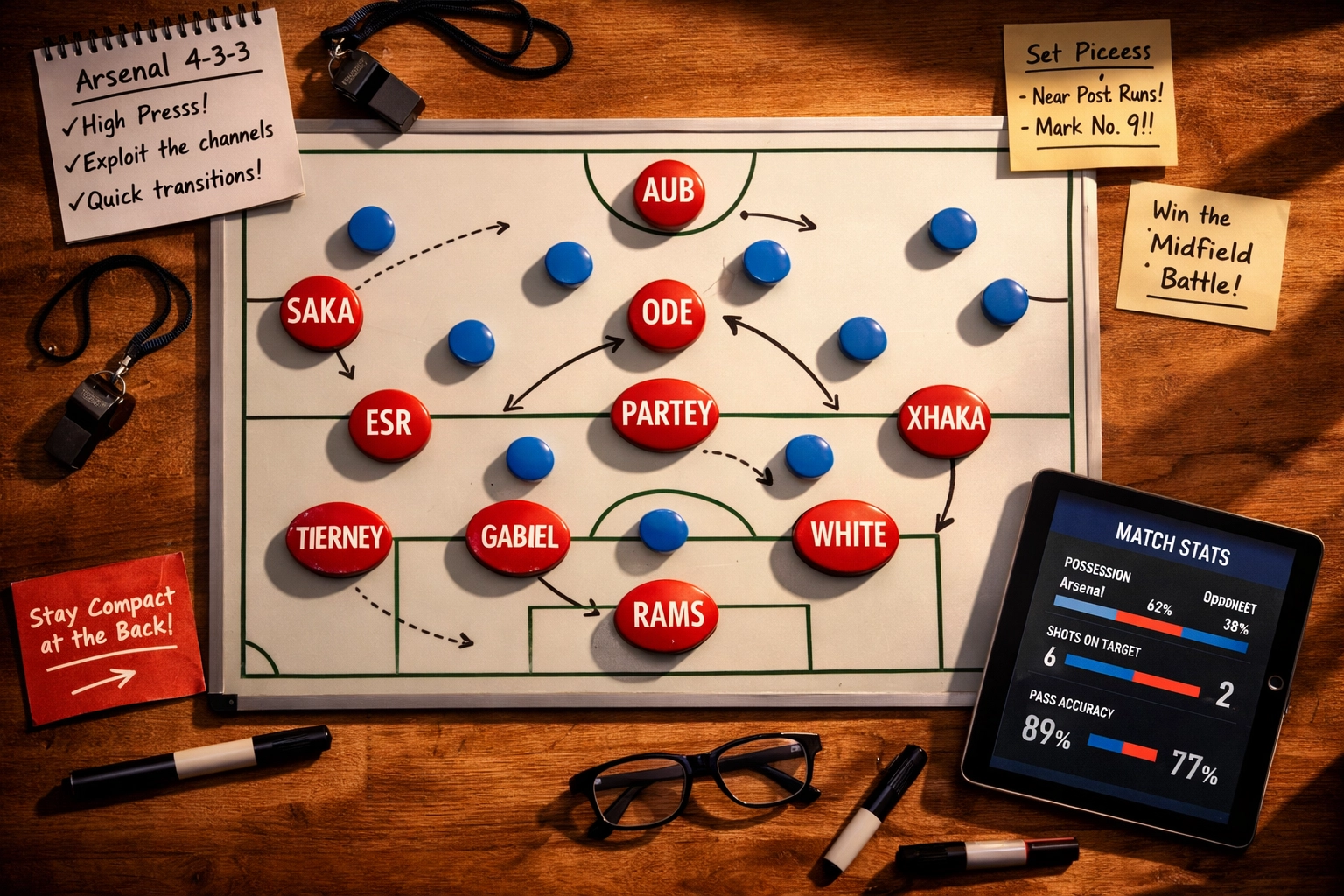
Brighton manager Roberto De Zerbi countered with his characteristic possession-based approach. The Seagulls' fluid 4-2-3-1 formation aimed to control midfield tempo and exploit spaces behind Arsenal's defensive line with quick transitions. However, Arsenal's defensive discipline and pressing intensity disrupted Brighton's rhythm throughout the opening period.
First Half: Tactical Stalemate and Strategic Patience
The opening 45 minutes showcased two teams feeling each other out, probing for weaknesses without committing numbers forward recklessly. Brighton enjoyed slightly more possession, circulating the ball patiently across their defensive and midfield lines, but Arsenal's compact defensive shape limited clear-cut opportunities.
Arsenal's pressing triggers were well-defined: force Brighton wide, cut off central passing lanes, and quickly transition when winning possession in dangerous areas. This tactical discipline kept Brighton's creative players: typically capable of unlocking defenses with incisive passes: frustrated and isolated.
The Gunners' patient approach reflected strategic maturity. Rather than forcing the issue against a well-organized Brighton side, Arsenal maintained their defensive integrity while gradually identifying spaces to exploit in the second half.
The Breakthrough: Nwaneri's Moment of Brilliance
The 57th minute proved decisive. Mikel Merino, operating with increased freedom in central midfield, spotted Ethan Nwaneri's intelligent movement between Brighton's defensive lines. The pass was weighted perfectly, splitting two defenders and arriving precisely as Nwaneri accelerated into the box.
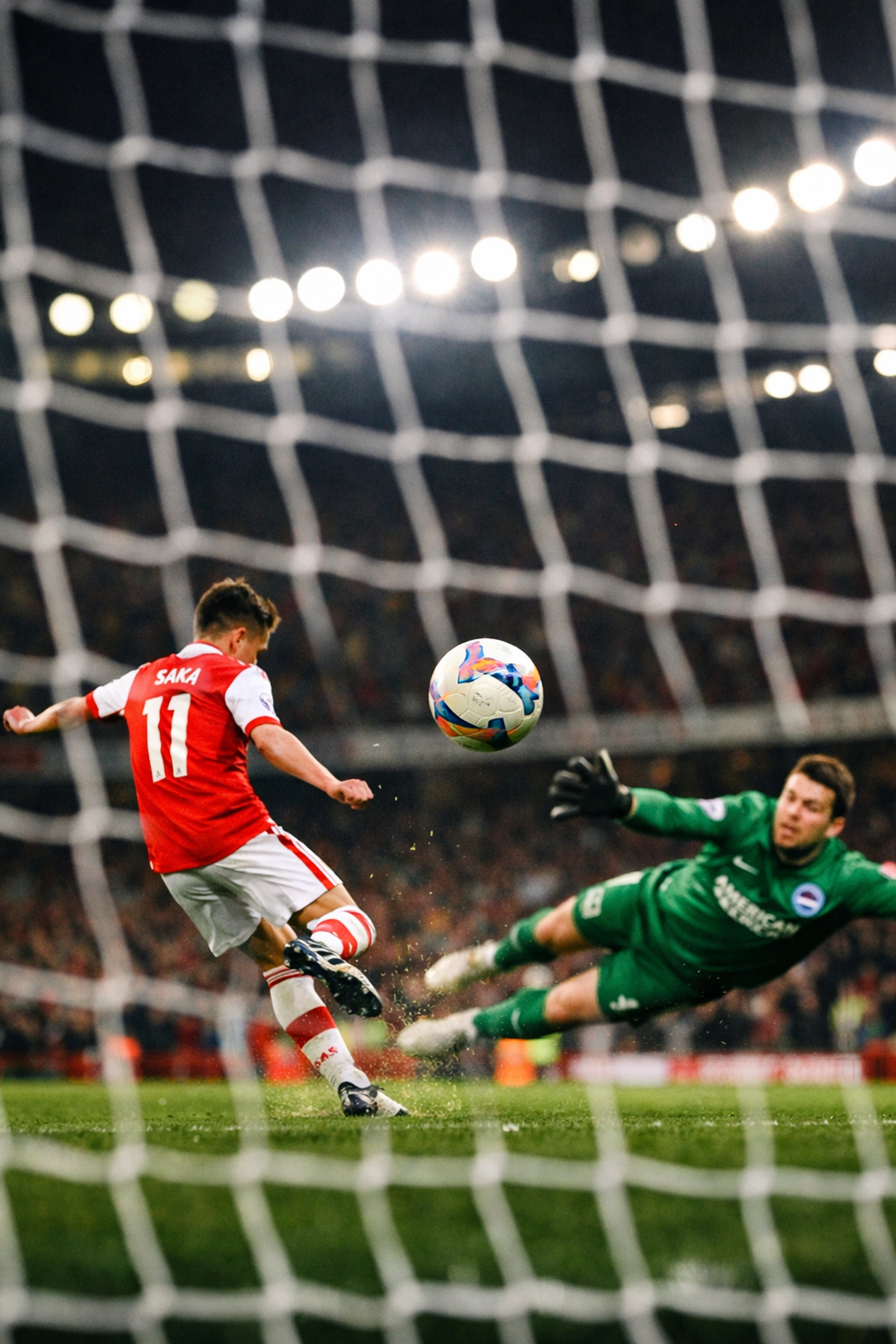
What followed was composure beyond Nwaneri's years. Rather than snatching at the opportunity, the young midfielder took a controlled touch to set himself before finishing clinically past Brighton's goalkeeper. The goal wasn't just about individual quality: it represented everything Arsenal's academy teaches: movement, awareness, technical execution under pressure, and composure in critical moments.
Nwaneri's goal shifted the tactical dynamics immediately. Brighton had to abandon their patient approach and commit more players forward, creating exactly the spaces Arsenal's attacking players thrive in exploiting.
Saka Seals Victory: Substitution Impact
Bukayo Saka's introduction as a substitute demonstrated Arteta's tactical acumen. Fresh legs against tiring defenders, Saka's direct running and technical quality added a dimension Brighton struggled to contain in the final twenty minutes.
The 76th-minute goal came from Arsenal's improved ability to transition quickly from defense to attack. As Brighton pushed numbers forward searching for an equalizer, they left gaps in defensive coverage that Arsenal ruthlessly exploited. Saka's finish was clinical: cutting inside from the right flank and finding the bottom corner with his preferred left foot.
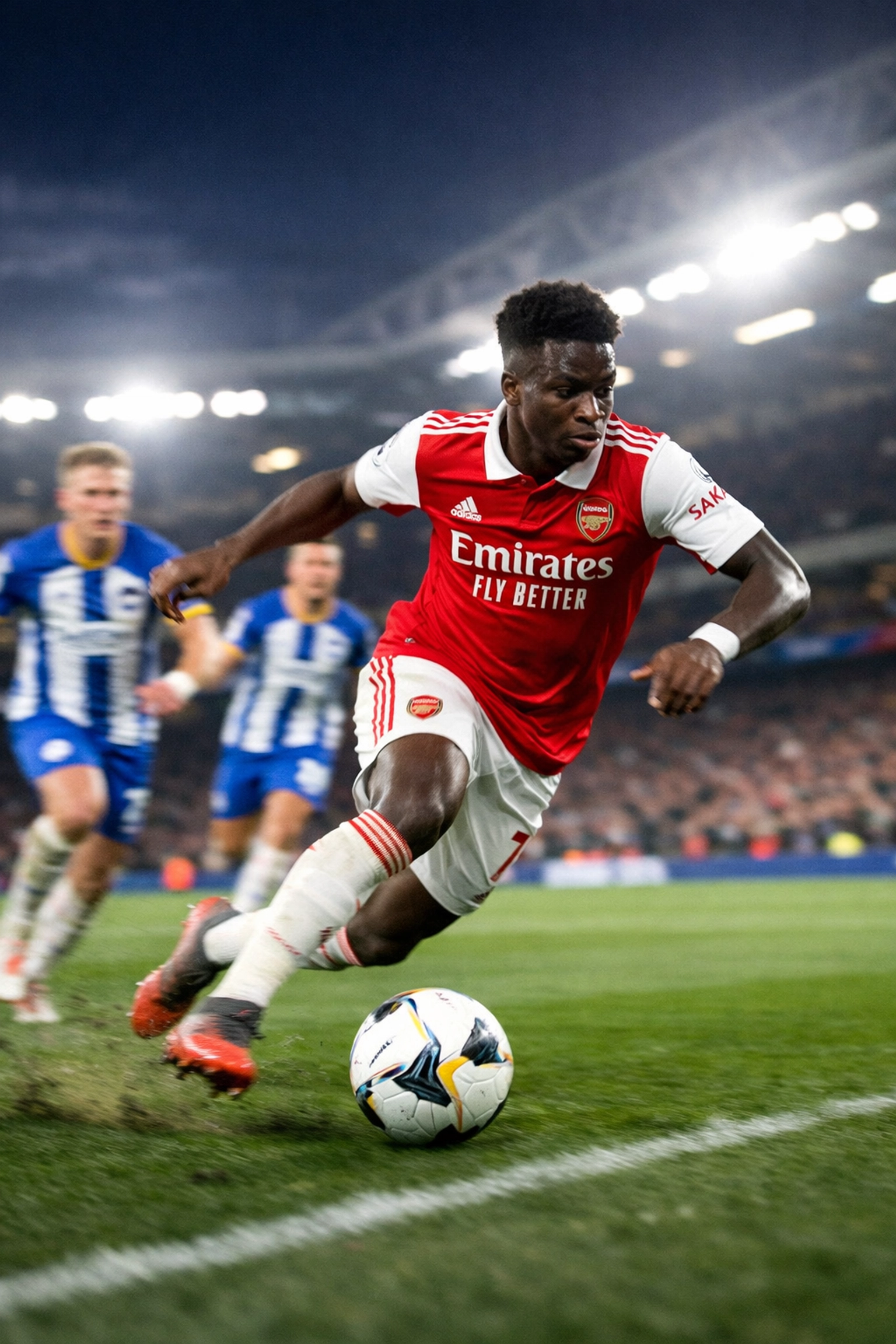
This goal wasn't fortunate or scrappy; it was the result of superior fitness levels, tactical intelligence, and individual quality overwhelming a tiring opponent. Arsenal's bench strength proved crucial, allowing Arteta to introduce game-changing players at precisely the right moments.
Defensive Solidity: The Foundation of Victory
Arsenal's clean sheet deserves significant recognition. Brighton generated several promising attacking situations throughout the match, but Arsenal's defensive organization remained resolute. The backline communicated effectively, compressed spaces when Brighton built possession, and maintained concentration throughout the 90 minutes.
The partnership between Arsenal's center-backs showcased the defensive principles Arteta has instilled: aggressive when appropriate, disciplined in positioning, and composed under pressure. Brighton's attacking players found little space to operate, their usual creative freedom severely restricted by Arsenal's tactical discipline.
Youth Development: Beyond the Scoreline
While the 2-0 victory secured Arsenal's progression to the quarter-finals, the real story extends beyond the result. Max Dowman and Andre Harriman-Annous gained invaluable experience competing at senior level against quality opposition. These moments shape careers: building confidence, exposing areas for improvement, and demonstrating what's required to compete consistently at the highest level.

Arteta's willingness to trust young players in competitive fixtures sends a powerful message throughout the academy: perform consistently, train with intensity, and opportunities will come. This philosophy strengthens squad depth while maintaining standards that keep Arsenal competitive across multiple competitions.
Tactical Takeaways: What This Match Revealed
Arsenal's performance demonstrated several key tactical principles. First, squad rotation doesn't require sacrificing tactical coherence. The team maintained their structural integrity and pressing patterns despite personnel changes, highlighting the effectiveness of Arteta's coaching methods.
Second, Brighton's struggles to break down Arsenal's defensive organization revealed the Gunners' tactical maturity. Defending isn't about individual heroics: it's about collective responsibility, communication, and maintaining shape under sustained pressure.
Third, Arsenal's ability to control game tempo without dominating possession showcased tactical flexibility. They recognized Brighton's strengths in possession-based football and adapted accordingly, remaining patient before exploiting opportunities decisively.
Looking Forward: Quarter-Final Ambitions
This victory positions Arsenal strongly for EFL Cup success. The competition offers a realistic trophy opportunity while providing valuable playing time for squad players who might feature less frequently in Premier League fixtures. Maintaining this balance: competitive intensity meeting squad rotation: will prove crucial as the season progresses.
The quarter-final draw will determine Arsenal's next challenge, but this performance demonstrated they possess the tactical flexibility, squad depth, and mental resilience to compete seriously for silverware. Young players gained experience, key players remained fresh, and the team secured progression: a successful evening by any measure.
Arsenal's tactical approach, youth integration, and clinical finishing created a comprehensive victory that resonates beyond the scoreline. The Gunners showed they can compete effectively across multiple competitions while developing the next generation of talent: a combination that bodes well for sustained success.